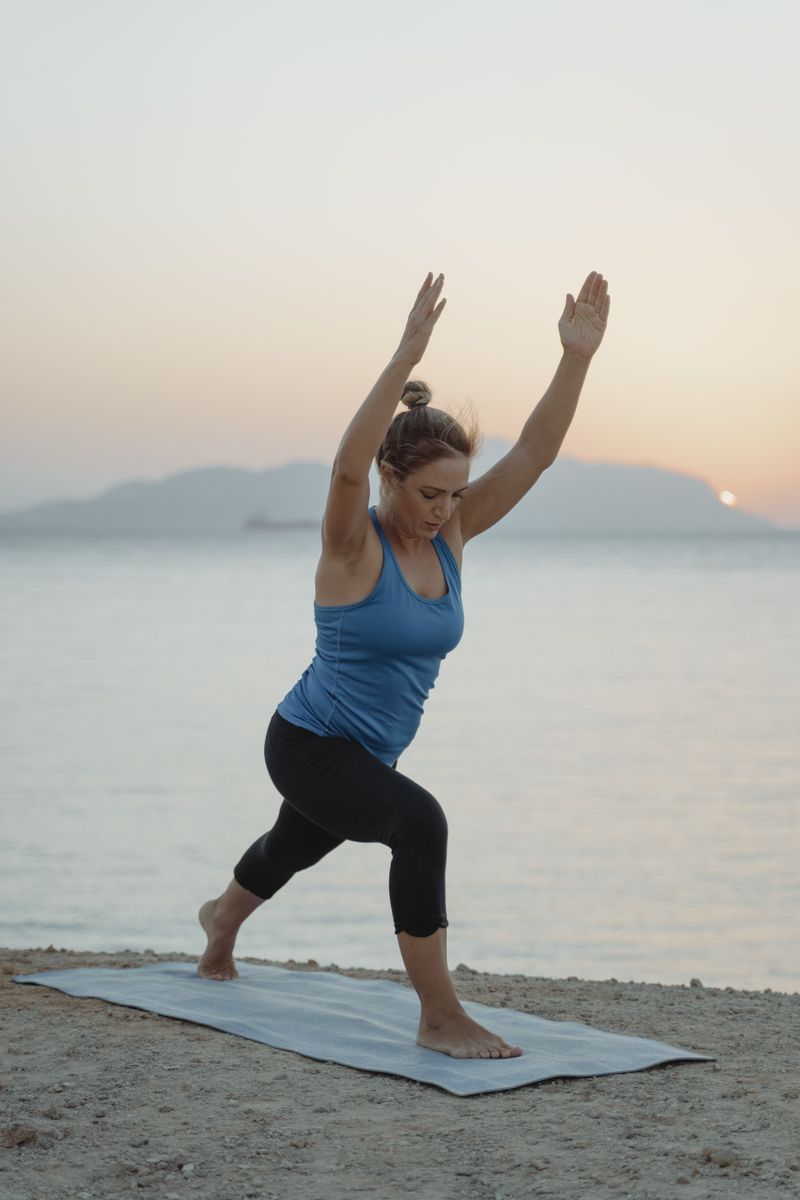
Retreat style
Yoga Retreats in Europe
A yoga retreat is a few days set aside to deepen your practice, slow down and reset — usually combining daily classes, mindful meals and time in nature.
Whether you want a gentle introduction or an intensive vinyasa immersion, YogaToYacht helps you compare retreats by destination, budget and style so you can find the one that fits you.
What to expect
- Daily guided yoga and breathwork
- Mindful, often plant-forward meals
- Time for rest, nature and reflection
- Optional workshops and excursions
Who it's for
- First-timers who want a welcoming, structured week
- Regular practitioners wanting to go deeper
- Anyone craving a screen-free reset in beautiful surroundings
What actually happens on a yoga retreat
Most yoga retreats follow a gentle daily rhythm: an energising morning practice, a nourishing breakfast, free time to rest or explore, and a slower restorative session in the late afternoon. Around that structure you'll usually find breathwork, meditation and plenty of unhurried space to switch off from everyday life.
The teaching style varies widely. Some retreats lean into dynamic vinyasa and ashtanga for practitioners who want to sweat and progress, while others centre on yin, hatha and meditation for people who mainly want to slow down. Reading the daily schedule before you book is the easiest way to tell which end of the spectrum a retreat sits on.
How to choose the right yoga retreat for you
Start with your intention. If you want to deepen a regular practice, look for retreats that list the styles and teachers explicitly and offer more than one class a day. If you mostly want to rest, prioritise a calmer location, smaller group sizes and generous free time over a packed timetable.
Then weigh the practicalities: travel time to the venue, whether meals and airport transfers are included, the group size, and whether the retreat is mixed-level or aimed at a specific ability. A short message to the organiser answering these questions usually tells you everything you need before committing.
Best time of year to go
Southern-European yoga retreats run comfortably from spring through autumn, with the shoulder seasons of May–June and September–October offering warm weather without peak-summer crowds or prices. Island and coastal venues are busiest in July and August.
If you're chasing quiet and cooler mornings for practice, the shoulder seasons are ideal. For guaranteed sunshine and swimming between sessions, mid-summer is the safer bet — just book earlier, as the best venues fill quickly.
Popular destinations
Real curated escapes from our catalogue that suit this style.
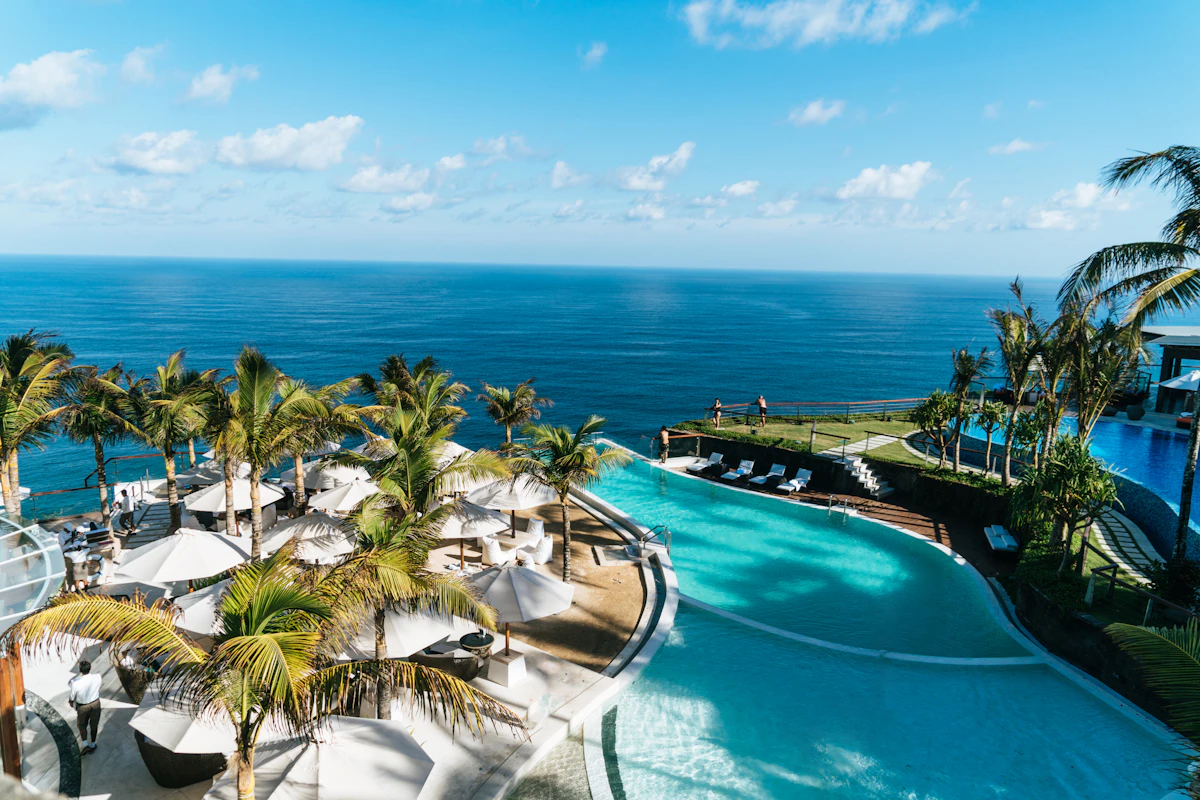
Santorini Caldera Flow
Santorini, Greece
Explore Santorini Caldera Flow

Coastal Mindfulness
Algarve, Portugal
Explore Coastal Mindfulness

Cretan Sun Salutations
Crete, Greece
Explore Cretan Sun Salutations

Tuscan Villa Retreat
Chianti, Italy
Explore Tuscan Villa Retreat
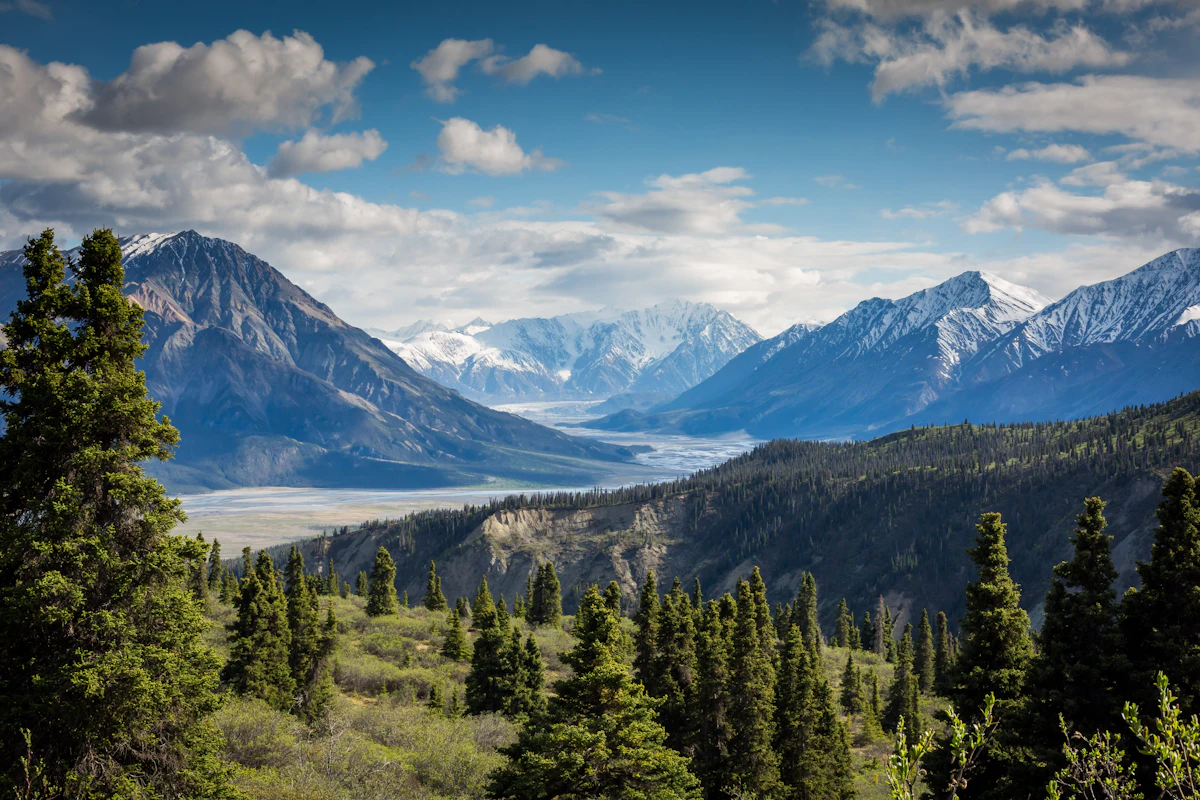
Tramuntana Mindfulness
Mallorca, Spain
Explore Tramuntana Mindfulness

Icelandic Hot Spring Retreat
South Iceland
Explore Icelandic Hot Spring Retreat
Frequently asked questions
Do I need experience to join a yoga retreat?
Not at all. Many retreats welcome complete beginners and offer gentle classes alongside more advanced sessions.
How long is a typical yoga retreat?
Most run between 3 and 8 days. Shorter weekend resets and longer two-week immersions are also common.
What should I bring?
Comfortable clothing, a refillable water bottle and an open mind. Most venues provide mats and props.
Related retreat styles
Ready when you are
Compare and book with trusted partners
We link you directly to TourRadar, Intrepid Travel, BookRetreats, GetYourGuide — at no extra cost to you. We may earn a small referral fee. See our Affiliate Disclosure.
Section 06
Get retreat ideas in your inbox
A few times a month: hand-picked escapes, new guides and quiet inspiration. No spam, unsubscribe anytime.